

UT Health RGV expands treatment options for depression, OCD
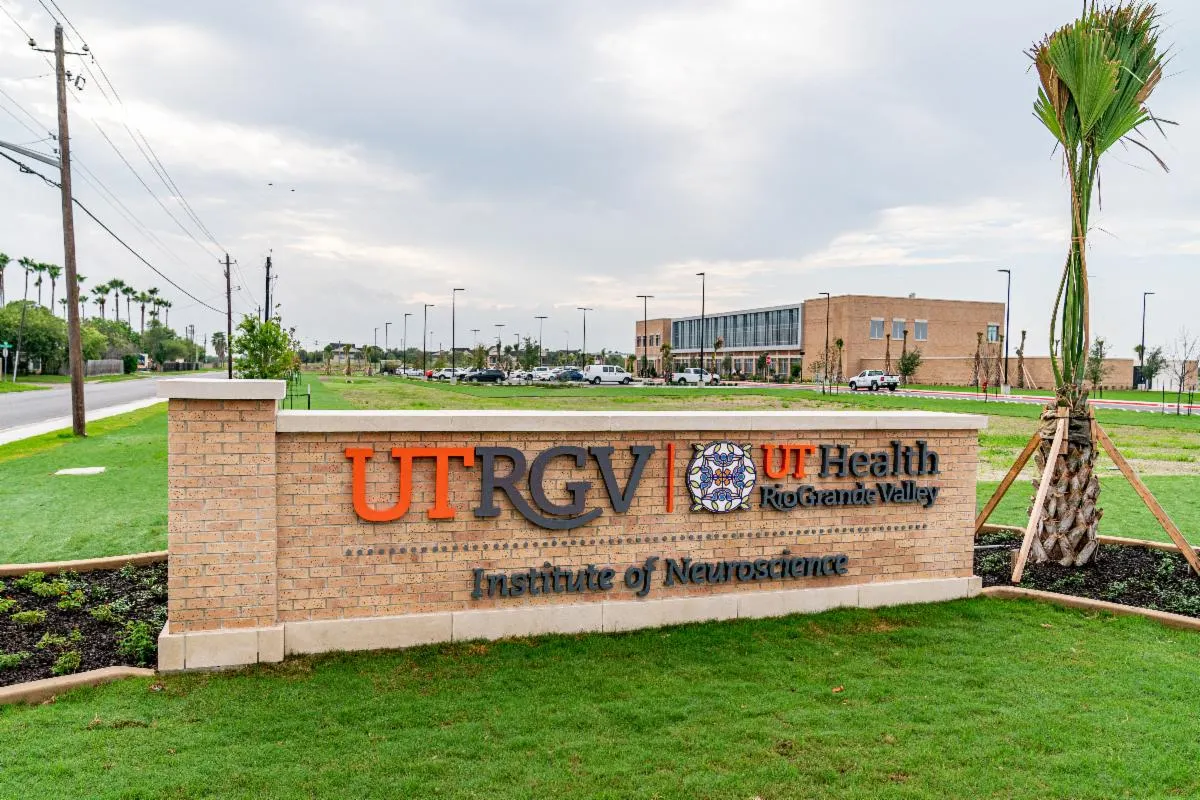
Photo above: UT Health RGV offers Transcranial Magnetic Stimulation (TMS) therapy, a non-invasive treatment that uses magnetic pulses to target specific areas of the brain. Updated technology has allowed the program to offer shorter and accelerated treatment options for patients with depression and obsessive-compulsive disorder. (UTRGV Photo)
By Heriberto Perez-Zuniga, UTRGV Communications
Edinburg TX – Getting out of bed. Going to work. Spending time with family. Taking care of yourself. For someone living with depression, everyday activities can feel overwhelming.

Dr. Diana Chapa, chair of the Department of Neuro and Behavioral Health at the UTRGV School of Medicine and a psychiatrist at UT Health RGV, wants people experiencing those struggles to know they do not have to face them alone.
“Depression really is an illness, like any other illness,” Chapa said. “It’s real. It’s based in biology, it is something that persists.”
During National Depression and Mental Health Screening Month in October, UT Health RGV is highlighting another treatment option for people living with depression, including those who have not found relief through traditional treatments.
Transcranial magnetic stimulation (TMS) is a noninvasive treatment that uses magnetic pulses to stimulate targeted areas of the brain. With updated technology, UT Health RGV has expanded its TMS program to offer shorter treatment sessions, accelerated treatment options and a new protocol for obsessive-compulsive disorder (OCD).
For patients who have spent years searching for relief, Chapa said, having another option can make a meaningful difference.
HOW TMS WORKS
Before beginning TMS, patients undergo a mapping session to identify the area of the brain to target.
Chapa said the team uses a grid placed over the patient’s scalp to help locate the treatment area. For depression, the patient’s response to magnetic stimulation helps pinpoint the target, allowing the treatment to be delivered as accurately as possible.
“We’re targeting a small golf ball size spot, so precision is going to be important as well,” Chapa said.
Patients remain awake during TMS sessions and may listen to music, watch television or relax while magnetic pulses are delivered to the targeted area. They may feel the pulses on their scalp, and some experience mild discomfort at first. Chapa said most adjust to the sensation within the first week.
The updated equipment at UT Health RGV has shortened sessions from about 45 minutes to approximately 15 to 20 minutes.
“That change may seem small, but for someone who may travel to a clinic five days a week for several weeks, it can make treatment more manageable,” Chapa said.
A SHORTER PATH TO RELIEF
Traditional TMS treatment for depression typically requires one session a day, five days a week, for several weeks. For patients traveling from across the Rio Grande Valley, that commitment can be difficult to balance with work, family and other responsibilities.
The updated equipment allows UT Health RGV to offer accelerated TMS, with multiple sessions each day so patients can complete treatment in less time.
Chapa said research has shown accelerated treatment can be as effective as the traditional schedule and may help patients experience benefits sooner.
For people who have struggled to fit treatment into their lives, that flexibility matters.
“Time from work every day, having to ask for time off, it can become a true hardship,” she said.
EXPANDING TREATMENT OPTIONS
UT Health RGV has also expanded its TMS program to treat OCD, a condition in which intrusive thoughts and compulsive behaviors can consume much of a person’s day and interfere with work, relationships and everyday activities.
Chapa said TMS offers another option for patients whose symptoms have not improved enough with traditional treatment. Although responses vary, she is already seeing improvements among patients receiving TMS for OCD.
Researchers are also studying potential applications of TMS for other conditions, including post-traumatic stress disorder (PTSD), anxiety and cognitive symptoms associated with neurological conditions.
Chapa said that research could eventually expand the treatment’s uses. For now, the focus remains on helping patients who need another option.
TAKING THE FIRST STEP
For Chapa, expanding treatment options also means helping people recognize when they need care. She said depression should not be confused with the normal sadness everyone experiences.
“We all get sad,” Chapa said. “It’s part of our wide range of normal human emotions that we have.”
Depression, she said, can persist and interfere with a person’s ability to work, maintain relationships, care for themselves and enjoy activities. Too often, shame keeps people from seeking treatment, Chapa said.
“You’re not weak. You’re not a bad person. You’re not lazy,” she said.
Chapa encourages people to approach mental health screenings as they would screenings for other health conditions.
“People routinely have their blood pressure checked. They have their blood sugar tested. They schedule physicals and other preventive care. Mental health deserves the same attention,” Chapa said. “Getting help is not a sign of weakness. Reach out and get the help that you deserve.”
A screening can be the first step toward understanding symptoms and finding appropriate care.
For more information on TMS therapy services, visit UTHealthRGV.org or call 1-833-UTRGVMD (1-833-887-4863).